
Wildfire Mitigation
We all have a role to play in wildfire mitigation.
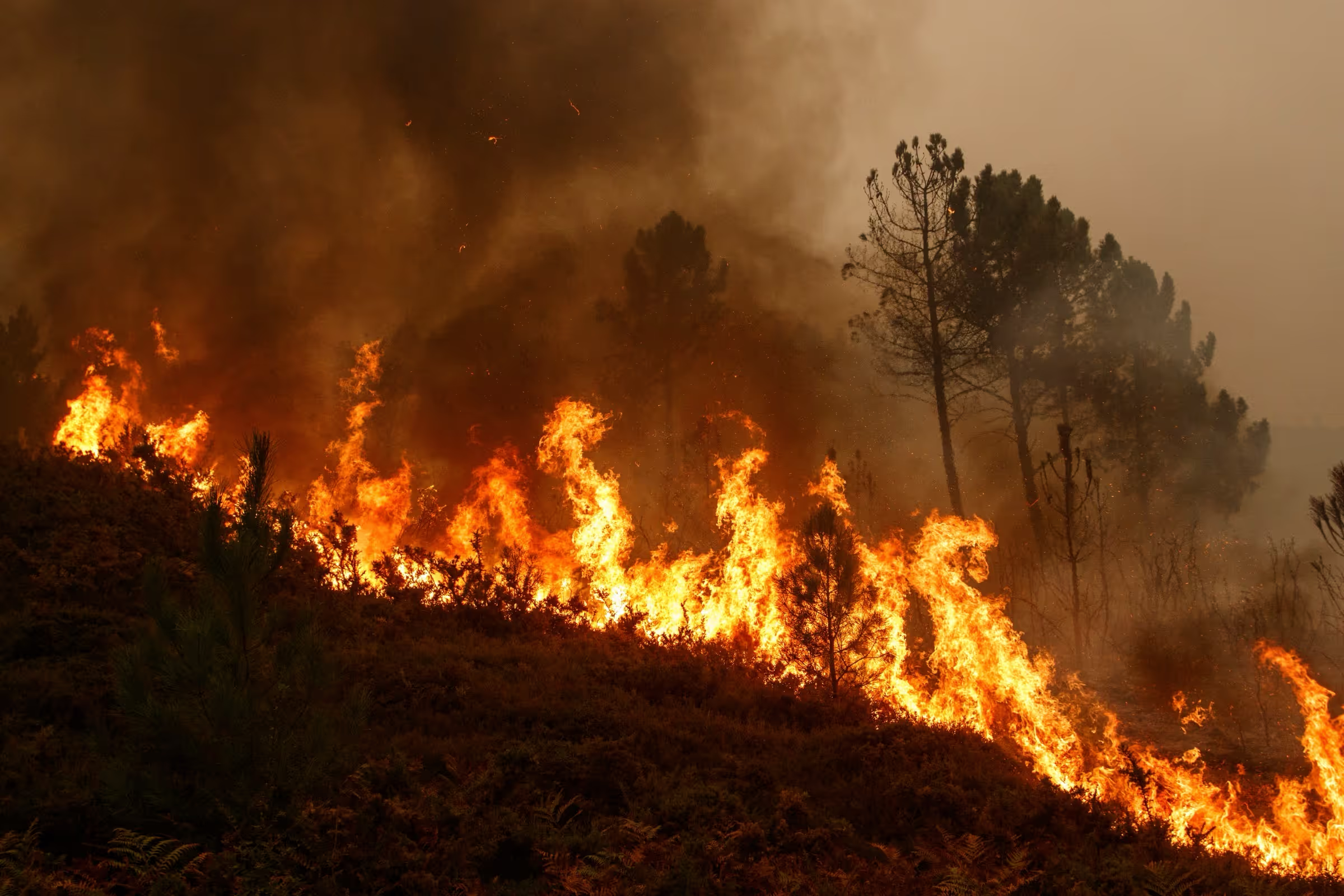
After one of the driest winters on record, wildfire risk is a reality we must actively prepare for across Western Colorado. At DMEA, reducing that risk is one of the most important ways we protect our communities, infrastructure, and the people who call this region home.
During periods of high fire danger, we operate in what we call “fire safety mode.” This means prioritizing safety above all else—even when it results in longer outages. Instead of automatically restoring power after a fault, our crews physically inspect lines before re-energizing them to prevent sparks that could ignite a fire.
At the same time, we continue to invest in proactive measures like vegetation management and system maintenance to reduce the likelihood of fires before they start. In 2025 alone, our crews removed thousands of trees and brush and trimmed vegetation near power lines to keep our system safer.
Wildfire mitigation is a shared responsibility. While DMEA is committed to doing our part, member preparedness plays a critical role in keeping our communities resilient. Below are answers to common questions and steps you can take to be ready this summer.
Plan ahead
- Create a family emergency plan.
- Build an emergency kit. Visit ready.gov for guidance.
- Prepare backup power. Consider a backup battery or generator for essential devices like medical equipment, refrigeration, or communications.
Why is DMEA emphasizing wildfire mitigation this year?
Following one of the driest winters on record, conditions across our service territory increase the likelihood of wildfire. These conditions require heightened awareness, preparation, and operational changes to reduce risk.
What does “fire safety mode” mean?
During high-risk conditions, DMEA operates in “fire safety mode,” sometimes referred to as “one shot.”
This means:
- Power lines are not automatically re-energized after an outage
- Crews must patrol and inspect lines before restoring power
- Outages may last longer than usual
This approach helps prevent electrical sparks that could start a wildfire.
Why don’t you restore power immediately after an outage?
In normal conditions, systems can automatically restore power after a fault. However, during wildfire risk, that automatic re-energization could create sparks if damage is present.
By requiring a manual inspection before restoration, we significantly reduce the chance of igniting a fire.
What is DMEA doing to prevent wildfires?
DMEA takes a proactive, year-round approach that includes:
- Vegetation management (tree trimming and removal near power lines)
- System inspections and maintenance
- Operational changes during high-risk conditions
- Coordination with local first responders and emergency management
In 2025, crews:
- Removed 3,415 trees
- Cleared 7,840 pieces of brush
- Trimmed 3,530 trees near power lines
Does DMEA work with local emergency responders?
Yes. DMEA coordinates closely with local first responders and emergency management agencies to align efforts, share information, and support rapid response during wildfire events.
Will outages last longer during wildfire season?
Yes, in some cases. Because crews must inspect lines before restoring power in fire safety mode, outages may take longer than usual. These precautions are necessary to reduce fire risk and protect public safety.
Where can I learn more?
In addition to this page:
- Watch for DMEA communications throughout the season
- Check out May 2026's Electric Strip comic, “Blaze-Blocking Fire Smarts,” for quick tips
- Follow DMEA for real-time updates and safety information
Additional Resources:
- Live Wildfire Ready: csfs.colostate.edu/live-wildfire-ready/
- Emergency Preparedness: ready.gov
- Fire Restrictions for the West Slope Region: westslopefireinfo.com
- Mitigation, Preparedness, and Prevention with West Region Wildfire Council: cowildfire.org
- Sign up for Emergency Alerts in Delta County: deltacountyco.gov/alerts
- Sign up for Emergency Alerts in Montrose County: montrosecounty.net/alertcenter